There is no item in your cart
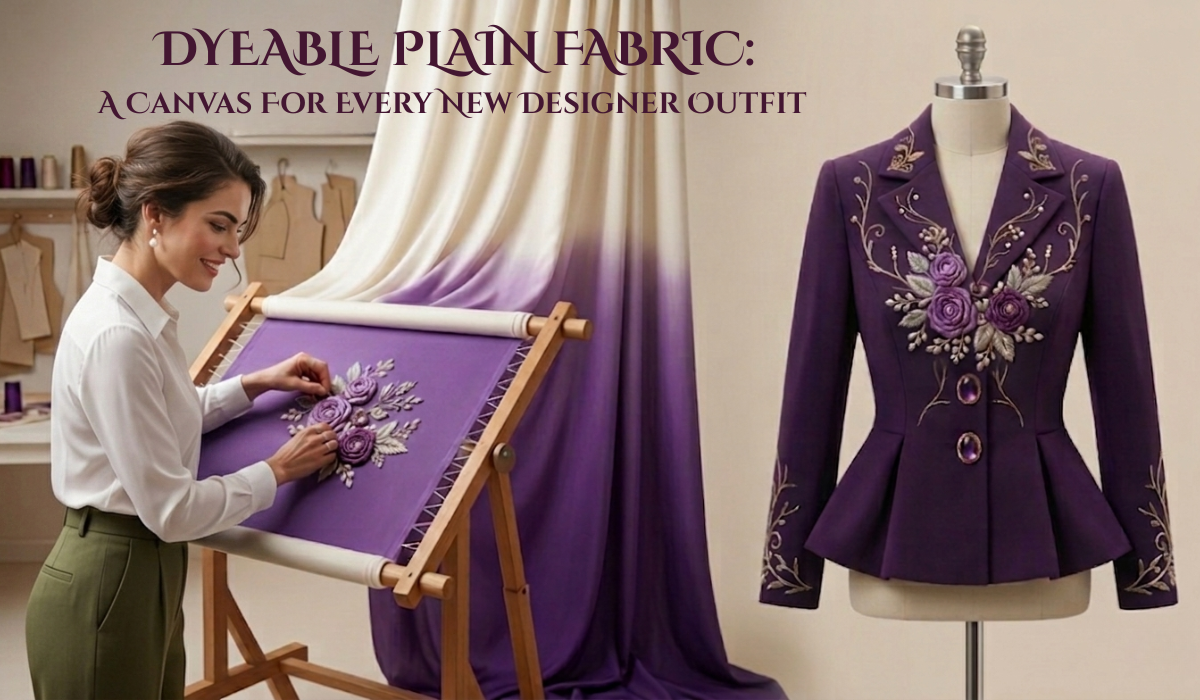
Dyeable Plain Fabrics: A Canvas For Every New Designer Outfit
The beginning of any fashion design lies in ideas. However, every idea requires some platform to come into realization. Before starting to create a beautiful work of art such as embroidery, digital printing, sequins, painting, or fancy dyeing of the garment, one should choose the most appropriate fabric to base the creation upon. And, among the wide variety of fabric types present in the textile industry, dyeable plain fabrics have found themselves a distinguished place because of their unparalleled flexibility and creativity.
For garment makers, designers, boutiques, and brands, the dyeable plain fabrics are not just raw fabric. It is an ideal canvas that can turn into anything you wish it to be. From bridal outfits and ethnic wear collections to western fashion and casual clothes.
What Are Plain Dyeable Fabrics?
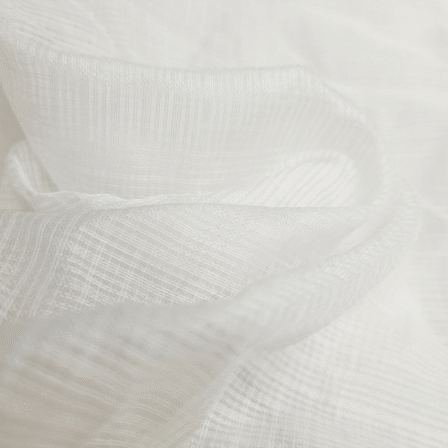
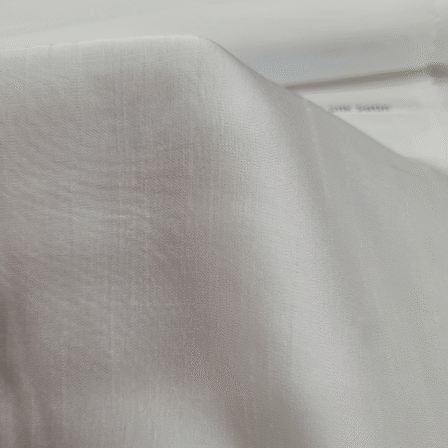
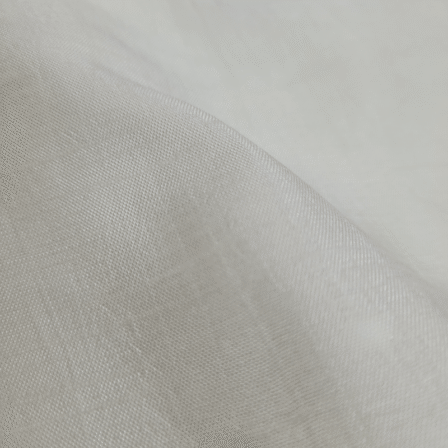
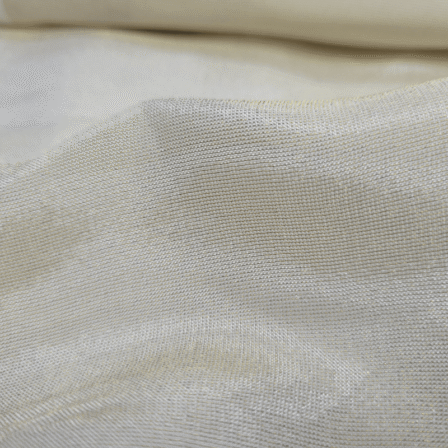
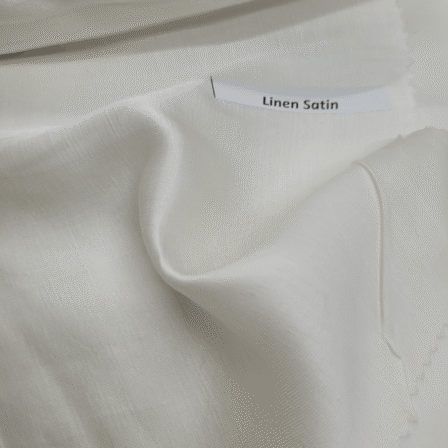
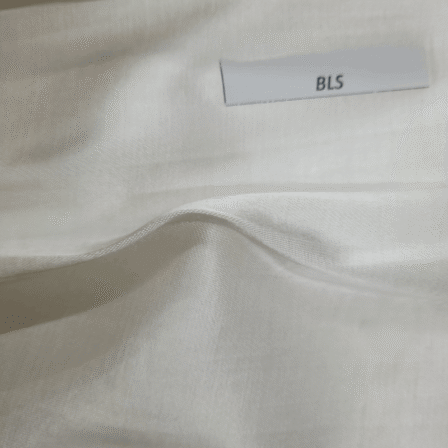
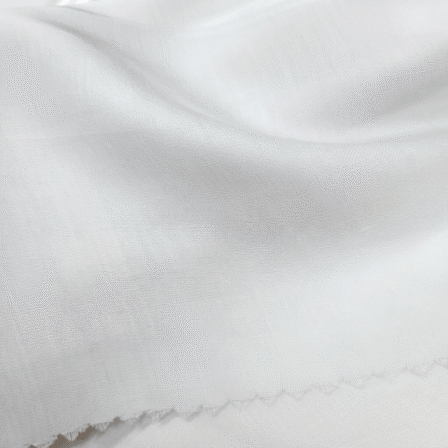
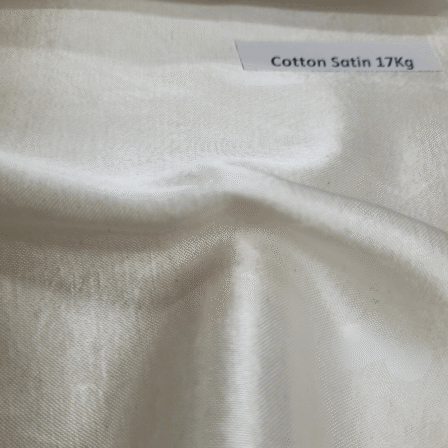
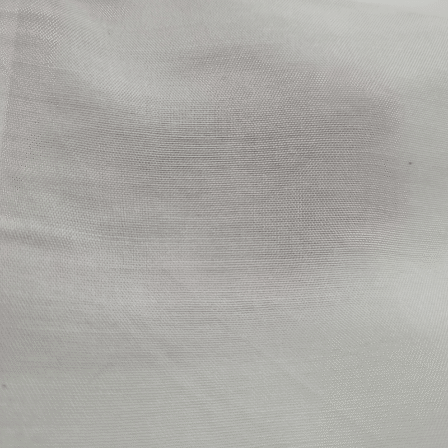
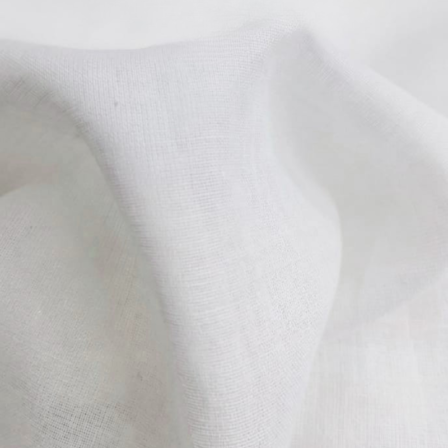
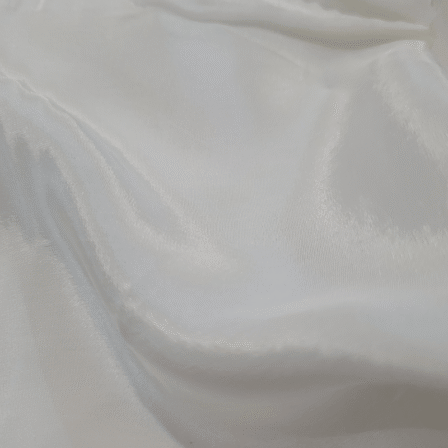
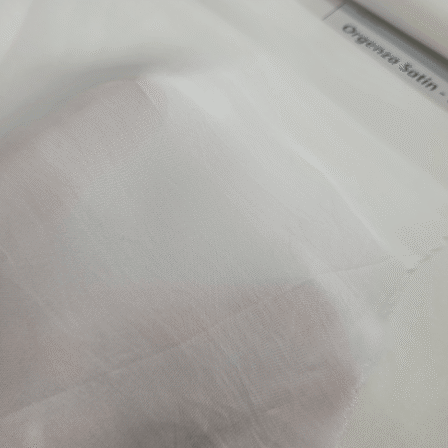
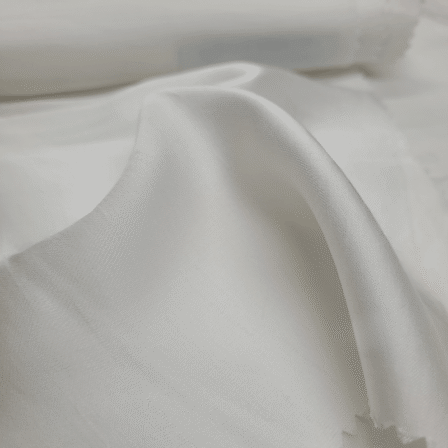
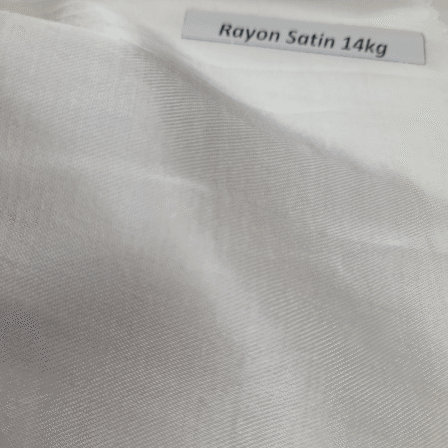
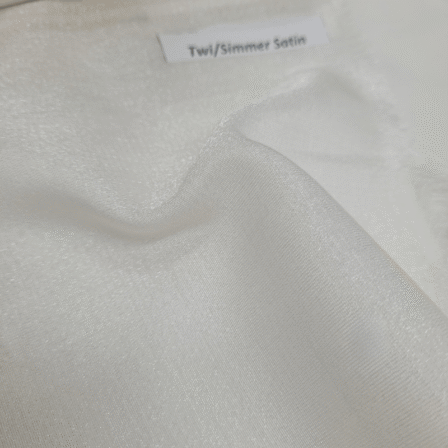
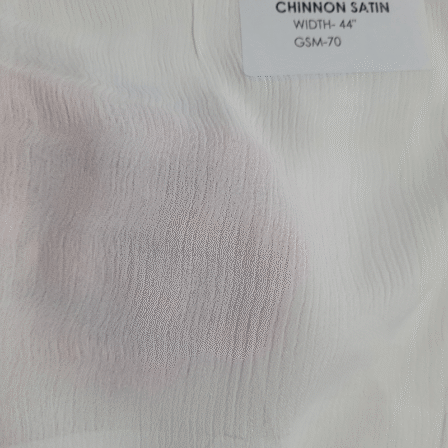
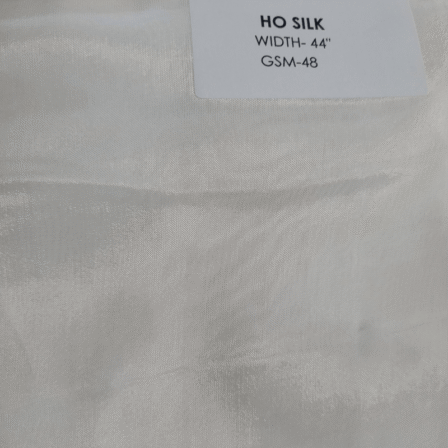
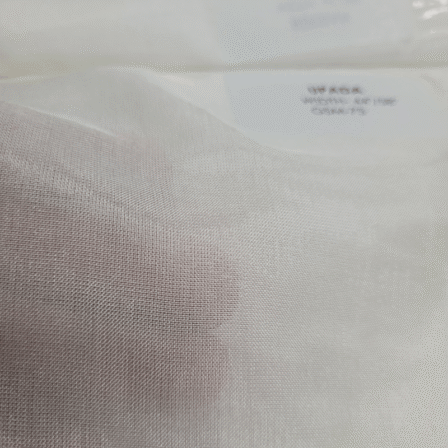
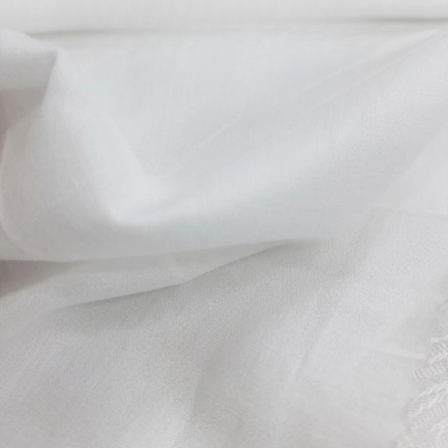
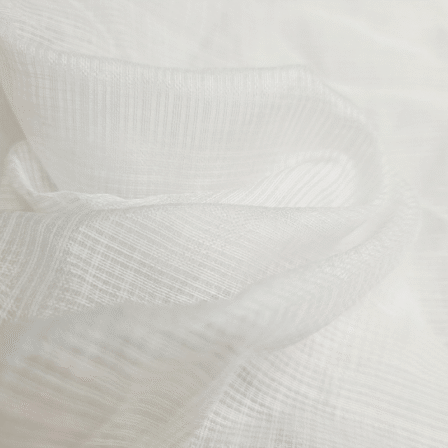
These are fabrics that have been made in their natural or pre-treated forms but do not have any colour or prints applied to them. This allows designers to use these fabrics and make clothes in any colour they wish to.
While using ready-made or ready-coloured fabrics limits the colour choices and the creativity of designers, dyeable fabrics allow them to be extremely experimental with different colours and dyeing methods depending upon seasons and customers’ requirements.
That is why dyeable fabrics are considered one of the most important raw materials for the fashion industry.
Why Fashion Designers Choose Plain Dyeable Fabrics
All fashion designers need something unique. They never wish to design collections that look like other available ones in the market. This is what dyeable fabrics provide them with.
When choosing fabrics, the designers first look at the texture, feel, weight, and finish of the fabric instead of focusing on the colour of the fabric.
This method enables designers to:
- Design unique colour palettes.
- Making garments with current following fashion styles.
- Create signature new editions.
- Ensure coordination between several outfits.
- Provide customised colours for individual clients.
In case of wedding dresses, couture collections, festive attire and luxury garments, such flexibility is crucial.
The Perfect Foundation for Creativity
The process of making a great artwork always starts from a blank canvas. In the same way, the process of fashion designing starts from a simple piece of fabric.
Due to lack of any pre-existing colours or prints, dyeable fabrics enable designers to freely experiment with various decorating techniques.
Designers can enhance these fabrics using:
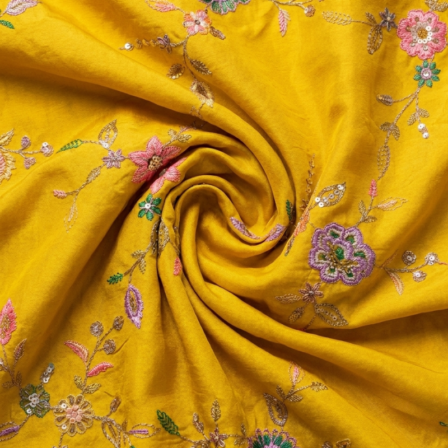
Hand embroidery
Machine embroidery
Zari work
Mirror work
Sequins
Beadwork
Thread work
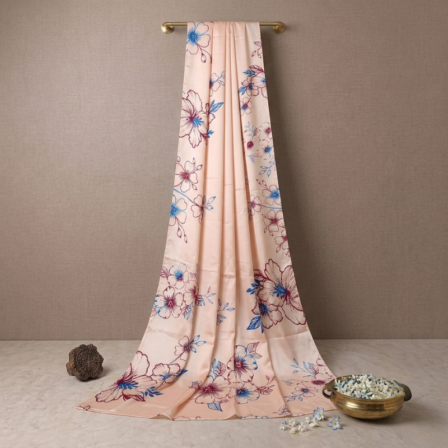
Digital printing
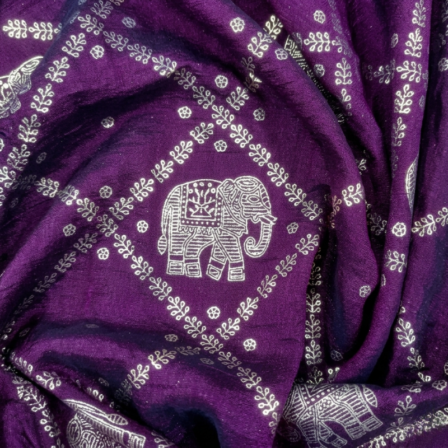
Block printing
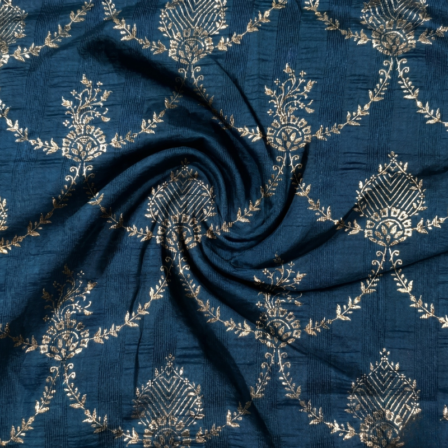
Foil printing
Hand painting
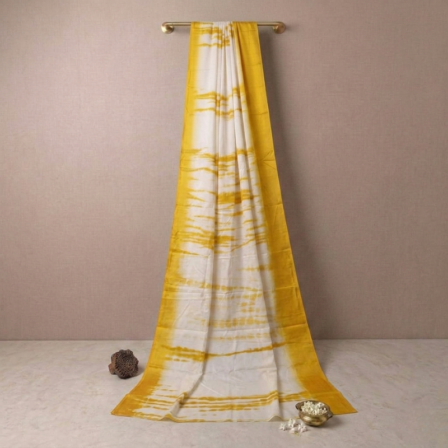
Tie & Dye
Bandhani
Shibori
Ombre dyeing
Stone work
Lace attachments
Because dyeable fabrics have the simplest initial look, all decorations look stunning at the final stage of design.
Suitable for Every Fashion Type
Versatility is one of the most important advantages of plain dyeable fabrics. They can easily be turned into garments of different fashion types.
These fabrics are widely used for creating:
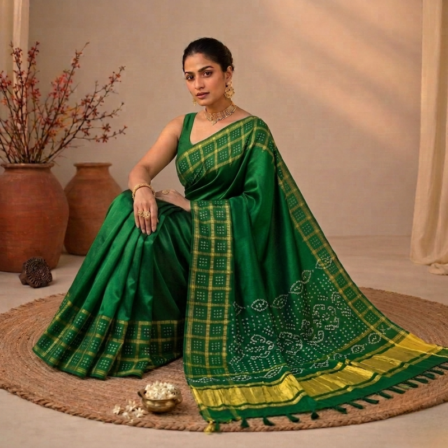
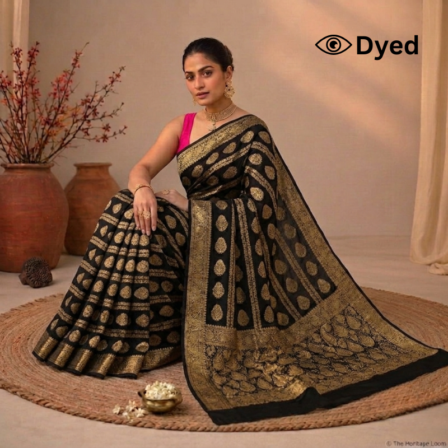
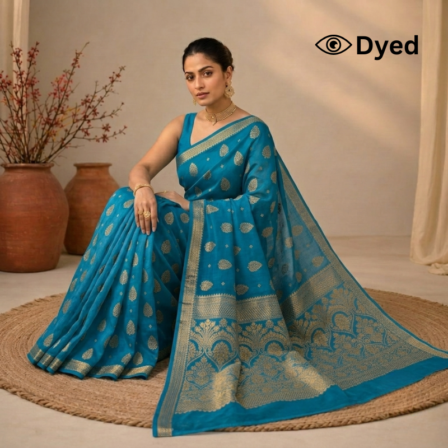
Sarees
Salwar suits
Kurtis
Lehengas
Gowns
Anarkalis
Dupattas
Kaftans
Tunics
Co-ord sets
Dresses
Jackets
Indo-western outfits
Palazzo sets
Men’s kurtas
Sherwanis
Fusion wear
Children’s ethnic wear
Regardless of whether a finished garment will belong to a traditional fashion type or not, dyeable fabric serves as a perfect starting point.
Allows to cop-up with new Fashion Trends
Proper dye absorption also improves the final visual appeal of embroidery, embellishments, and surface treatments.
Whether the chosen shade is pastel, jewel-toned, earthy, or vibrant, quality dyeable fabrics help achieve beautiful and long-lasting colour results.
Ideal for Customized Designs
In today’s market, the trend is toward individualization. The bride wants her own colour scheme, the fashion boutique wants exclusivity, and the designer needs shades which cannot be found in the available fabrics.
Plain dyeable fabrics make it all possible.
One does not have to settle for pre-existing colours; one can design the garment precisely according to customer specifications. This will not only ensure customer satisfaction but will also enable the designer to create an exclusive collection.
Custom dyeing has now become especially popular for wedding wear, party wear, designer boutiques, and luxury fashion lines.
A Perfect Foundation for Surface Decorations
A great many fine garments not only look good because of the colour scheme but because of the decoration too.
Plain dyeable fabrics serve as the perfect base for decorative elements.
Threads used in embroidery look more attractive.
The reflection of sequins is more beautiful.
The use of mirror work increases.
There is greater elegance of zari.
There is improved clarity in digital printing.
Stone work enhances the visual effect.
As the fabric does not have to fight with any heavy print or pattern, the artistry gets all the attention.
Economical for Fashion Industry
From a business point of view, there are various economical benefits of using plain dyable fabrics.
Fabric base could be ordered in large quantities without making a commitment about the color. The dyeing process could be done later depending on the market demands.
It allows the companies to:
Reduce dead stocks.
Lower color-based stock risks.
Enhance production planning.
Simplify the warehouse.
Quickly respond to customers’ orders.
Wholesalers offering fabric in plain form to boutiques and garments manufacturers usually find it easier than stocking multiple colors of fabrics.
Towards Sustainability Through Proper Manufacturing Practices
Fashion industry is slowly adapting more responsible manufacturing practices.
Plain dyable fabrics help the fashion industry to do so through demand-based manufacturing of garments instead of manufacturing in pre-decided colors.
It prevents overproduction in terms of colored products which might not sell at all.
Sustainability, however, requires proper dyeing practices as well, but choosing to use dyeable fabrics as a production technique allows for more efficient resource management.
Choosing the Suitable Plain Dyeable Fabric
Not all projects need the same fabric. Designers choose suitable fabrics depending on the purpose, season, and appearance of the final product.
Some plain dyeable fabrics are:
Chanderi
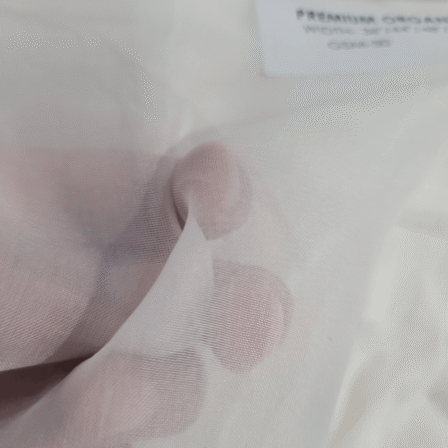
Organza
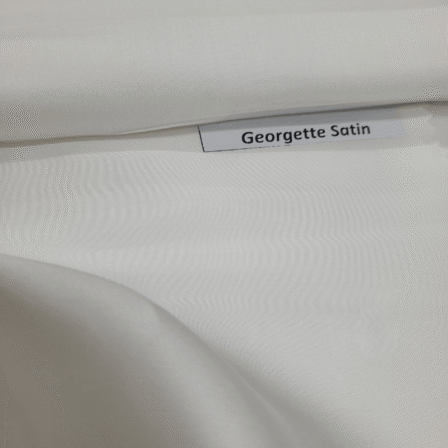
Georgette
Crepe
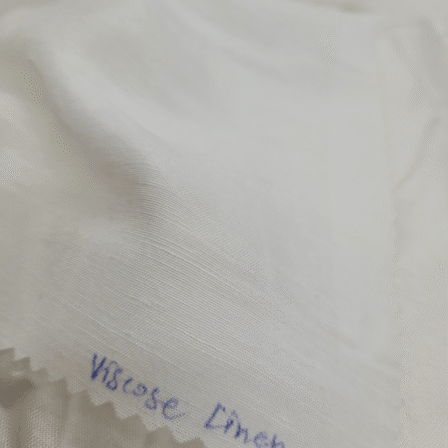
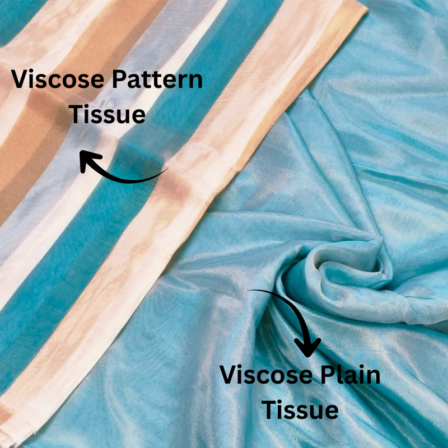
Viscose
Cotton
Linen
Silk blends
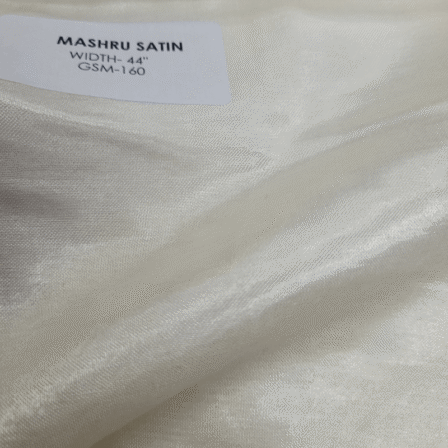
Satin
Jacquard
Kota Doria
Upada Silk
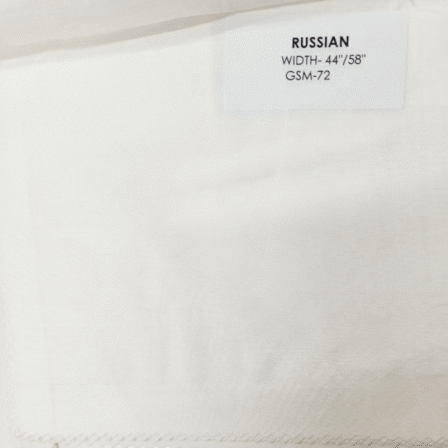
Russian Silk
Raw Silk Satin
Voile
Tissue fabrics
Every fabric is unique due to its distinctive features such as texture, drapery, shine, breathability, and construction. Choosing the appropriate base fabric is usually the starting point for designing an outstanding designer outfit.
The Future of Designer Fashion Starts from the Suitable Fabric
While fashion is continually changing, creativity will always be eternal. Every outstanding garment starts from a suitable choice of fabric, and plain dyeable fabrics keep allowing designers limitless opportunities.
The versatility, customization options, and suitability of these fabrics for various decorating techniques allow designers to use them in any type of fashion. Be it bridalwear, festival collections, or a designer outfit, these fabrics give the designer unlimited freedom in his/her creativity.
With fashion becoming more personalized, limited edition collections, and customer-focused designs being developed, the need for plain dyeable fabrics will become greater. It is not just a material that requires color but it is the beginning of all creations which make it possible for designers to turn any fabric into fashion.
For designers, manufacturers, wholesalers and fashion labels, having high quality plain dyeable fabrics is to invest in unlimited creative possibilities. All stitches, all colors, all masterpieces start from a blank canvas and in fashion industry, such a canvas is a plain dyeable fabric.